
My Pet World: Why some dogs react to TV – and what you can do about it
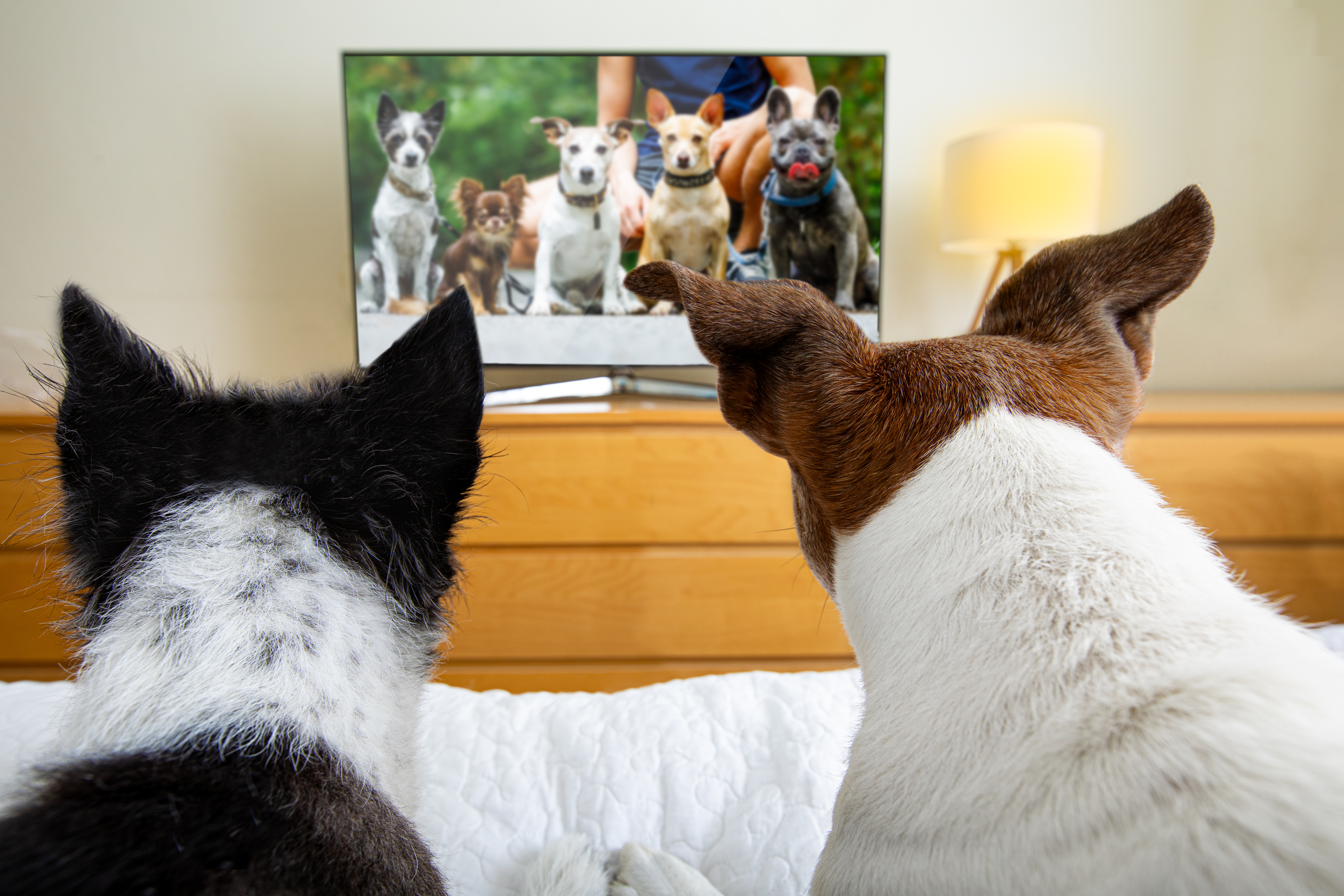



Dear Cathy; Our rescue Jack Russell pup “found us” through a humane shelter on the same day I tested positive for COVID two years ago. We had a few hard weeks, but Barkley fit right in with our other dog and has been the typical fun, high-energy guy we thought we were bringing home.
But a few months later, we began to get concerned. At what seemed like random times, he would hop up from his mat, howl, and jump on me in an anxious fit. When it started happening more often, I took him to the vet. After $400+ in blood work and tests, my vet could find nothing wrong. “Just watch him,” she said.
Over the next week, I tried to figure out the trigger. Was he in pain? A gut issue? It just didn’t make sense, until one afternoon, while I was watching TV, I noticed that every time a Liberty Mutual insurance commercial came on, the behavior started. I began paying closer attention, and sure enough, every time that commercial – with the little baby in the high-pitched voice saying “Liberty, Liberty, Liberty” – came on, Barkley would go berserk. I can even look at him and sing “Liberty, Liberty, Liberty” and get a reaction, no commercial needed! (I don’t do this often. I’m not trying to tease him or trigger anxiety.)
Unfortunately, this behavior has now branched out to other commercials. We try not to react or give it attention. He has trained us to hit the mute button quickly. It’s not really a problem, except at night. I will be drifting off to sleep with the TV playing softly and Barkley snoring beside me. Then, one of those commercials comes on and he is in full alert mode, howling at the top of his lungs. And just like that, I am wide awake again, waiting for my heart to settle. Any suggestions?
– Pam, Greensboro, North Carolina
Dear Pam,
What you are seeing is more common than people realize. Dogs don’t hear commercials the way we do. They hear high-pitched tones, sudden sound changes, and repetitive jingles that can feel intense or even alarming. That “Liberty, Liberty, Liberty” jingle hits a frequency range he may be especially sensitive to. Once that reaction happened a few times, his brain did what brains do. It linked that sound to a strong emotional response. From there, it generalized to similar sounds in other commercials.
The good news is this doesn’t sound like a medical issue, especially since your veterinarian ruled that out. It’s more of a learned sound sensitivity, and Barkley has essentially trained himself (and you) to anticipate and react.
You’re already doing something right by not making a big fuss when it happens. That helps prevent reinforcing the behavior. The muting is also a practical solution – and I am sure Barkley appreciates your quick reflexes.
If you want to take it a step further, you can gently help him change how he feels about those sounds. The goal is to pair it with something positive before he escalates. For example, if you catch the start of a triggering sound, toss him a small treat or engage him with something he enjoys before the reaction builds. Over time, the sound can begin to predict something good instead of something alarming. (You mentioned occasionally singing the jingle, but that can reinforce the association, so it’s best to avoid doing that when possible.)
Another option is to wear headphones (earbuds) at bedtime, so you are the only one hearing the commercials as you drift off to sleep.
In the meantime, you’re not alone. A lot of dogs have strong opinions about commercials, especially since they always seem louder than the shows.
Dear Cathy,
I saw the letter from the owners of the Siamese cat going outside the litter box. I’ve had Siamese cats for decades, and many are prone to irritable bowel syndrome (IBS). It’s not curable, but it can be managed. A veterinarian can help identify food sensitivities, and avoiding those triggers can reduce inflammation. Keeping a consistent feeding routine may also help prevent stomach irritation. I hope this is helpful.
– Sue, Bethlehem, Pennsylvania
Dear Sue,
Thank you for sharing your experience. Litter box issues can have many causes – medical, behavioral, or environmental – so a veterinary check is always the first step. Keeping a log of accidents, including diet, timing, and changes at home, can also help your veterinarian identify patterns more quickly. What seems like a behavior issue may have a physical cause, and attention to diet and overall health can make a real difference.
_____
_____
========
(Cathy M. Rosenthal is a longtime animal advocate, author, columnist and pet expert who has more than 25 years in the animal welfare field. Send your pet questions, stories and tips to cathy@petpundit.com. Please include your name, city, and state. You can follow her @cathymrosenthal.)
©2026 Tribune Content Agency, LLC.
(c) 2026 DISTRIBUTED BY TRIBUNE MEDIA SERVICES, INC.







Comments