Athleisure: How Gym Clothes Became Everyday Fashion
Published in Fashion Daily News
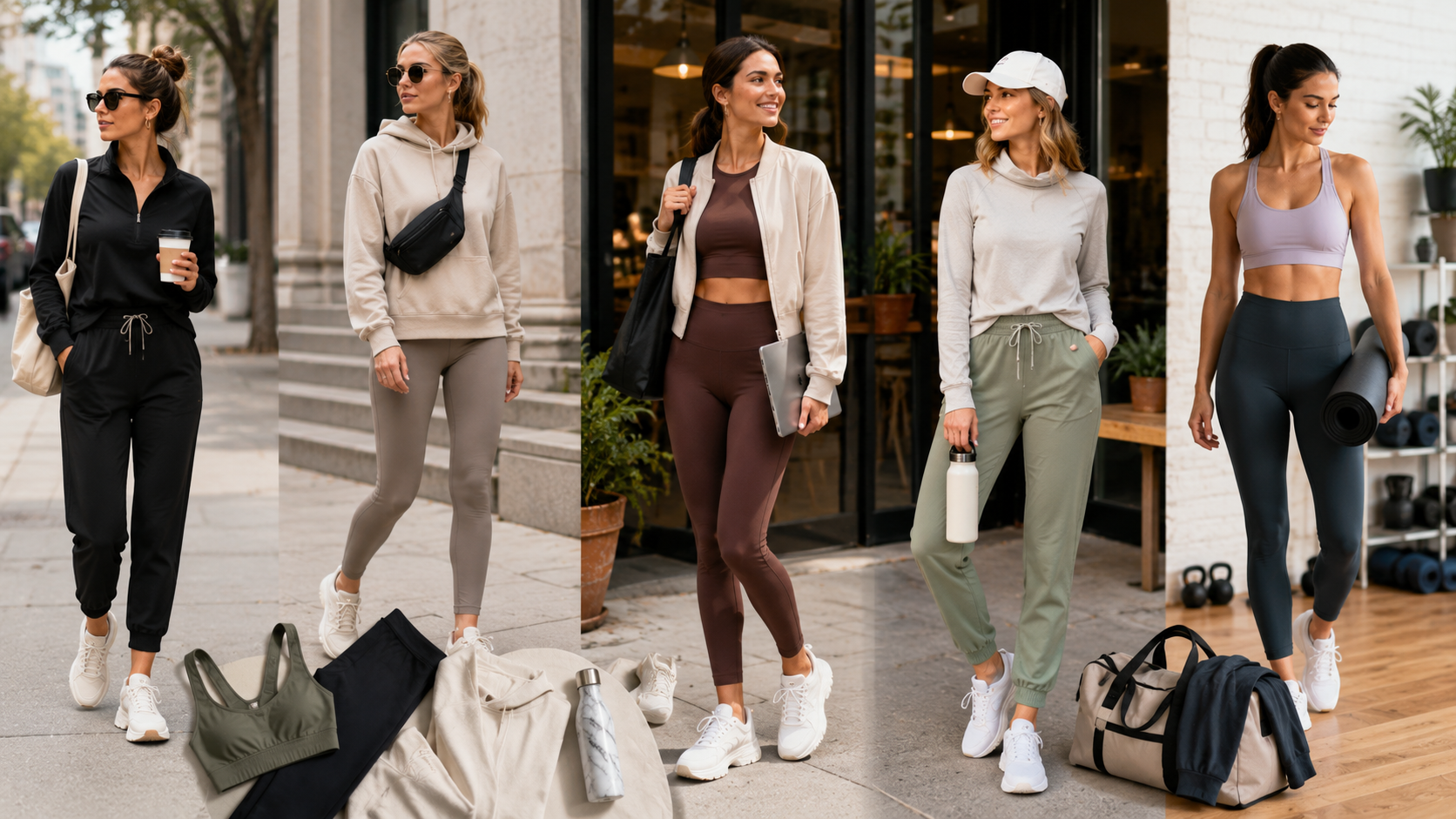
What began as practical workout wear has become one of the most significant shifts in women’s fashion in the past two decades.
Athleisure — clothing designed with the comfort and performance features of athletic apparel but styled for everyday life — has transformed how millions of women dress for work, errands, travel and social activities. Leggings, joggers, hoodies, performance tops and sleek sneakers have moved far beyond the gym, becoming staples in closets across age groups and income levels.
The trend reflects more than changing hemlines. It represents a broader cultural shift toward comfort, versatility and the blending of previously distinct parts of daily life.
From the Yoga Studio to Main Street
The roots of athleisure can be traced to the rise of yoga and fitness culture in the 1990s and early 2000s.
As more women incorporated exercise into their routines, they began investing in clothing that was durable, flattering and comfortable. Brands such as [Lululemon Athletica](https://shop.lululemon.com?utm_source=chatgpt.com) helped redefine workout wear by emphasizing premium fabrics, tailored cuts and a polished aesthetic that looked as appropriate at a coffee shop as in a fitness class.
Other companies, including [Nike](https://www.nike.com?utm_source=chatgpt.com), [Athleta](https://athleta.gap.com?utm_source=chatgpt.com) and [Vuori](https://vuoriclothing.com?utm_source=chatgpt.com), expanded the category with garments designed to transition seamlessly between exercise and everyday activities.
Comfort as a Fashion Priority
The success of athleisure stems largely from a simple idea: women want clothing that feels good to wear.
Stretch fabrics, moisture-wicking materials and elastic waistbands offer ease of movement and all-day comfort. For busy women balancing work, family and social obligations, clothing that can adapt to multiple settings is especially appealing.
Athleisure also reflects a broader acceptance that practicality and style are not mutually exclusive. A well-fitted pair of leggings, a structured quarter-zip pullover and clean white sneakers can create a look that feels both relaxed and intentional.
The Pandemic Acceleration
The COVID-19 pandemic dramatically accelerated the trend.
As offices closed and millions began working from home, demand for formal clothing declined while sales of leggings, sweatpants and performance tops surged. Women who had previously reserved such garments for exercise discovered that they were equally suited to video meetings, neighborhood walks and daily errands.
Even as workplaces reopened, many consumers were reluctant to return to rigid dress codes and uncomfortable fabrics. Athleisure had moved from trend to expectation.
Luxury Meets Performance
What distinguishes modern athleisure from traditional sportswear is attention to design and materials.
Premium brands use technical fabrics that resist wrinkles, maintain their shape and provide support without sacrificing softness. Details such as hidden pockets, sculpted seams and subtle branding contribute to a more refined appearance.
At the higher end of the market, prices can rival those of designer apparel. Consumers are often willing to pay for garments they wear repeatedly in a wide range of settings.
A Style for Every Generation
Athleisure appeals to women across age groups.
Young adults may favor coordinated sets and bold colors, while older women often appreciate understated joggers, knit jackets and supportive footwear. The versatility of the category allows individuals to adapt it to their own tastes and lifestyles.
For many women, the appeal is not about appearing athletic. It is about feeling capable, comfortable and prepared for whatever the day requires.
The Criticism and the Staying Power
Not everyone embraces athleisure.
Critics argue that it blurs the line between casual and overly informal dress, particularly in workplaces and restaurants. Others note that some garments prioritize trendiness over durability.
Yet the overall direction of fashion suggests that comfort-centered clothing is here to stay. Many women who spent years enduring stiff fabrics, restrictive waistbands and impractical shoes have little desire to return to them full-time.
More Than a Trend
Athleisure has endured because it aligns with contemporary life.
Women increasingly seek wardrobes that are functional, adaptable and easy to maintain. Clothing must move between exercise, work, travel and relaxation with minimal fuss.
In that sense, athleisure is less a passing fashion statement than a lasting redefinition of everyday dress. It reflects a practical understanding that style need not come at the expense of comfort.
For millions of women, the modern ideal is not dressing for a single occasion but dressing for the full range of life’s activities. Athleisure meets that need with clothing that is as comfortable as it is capable.
========
Celia Harrow is a lifestyle and fashion writer who covers the intersection of design, comfort and changing cultural habits. This article was written, in part, utilizing AI tools.






Comments