When grief needs a voice: Finding comfort in California's 'wind phones'
Published in Lifestyles
LOS ANGELES -- It was a hot and dry summer night in 2019 when the Campbell family drove from Los Angeles to their new desert vacation home in Joshua Tree.
As they crested a hill on Highway 62, a drunk driver crashed into their car.
Ruby, 17, and Hart, 14, were killed.
To channel their grief, their parents — like thousands of people across the globe — created a "wind phone."
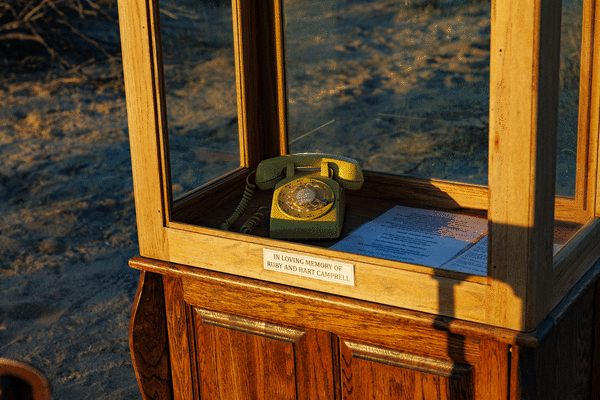
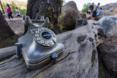
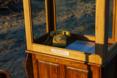
Sitting on a patch of desert sand, the wind phone created by Colin Campbell and Gail Lerner consists of a wooden box sitting atop a cabinet with a chair nearby. Inside the box is an old rotary telephone. There are no wires. But those who want to can pick up the receiver to say out loud the emotions they've bottled inside — a chance to reflect, reminisce and, in a way, connect.
The first wind phone was created in 2010 by Japanese garden designer Itaru Sasaki after the loss of his cousin to cancer and then later was dedicated to lives lost in the 2011 tsunami.
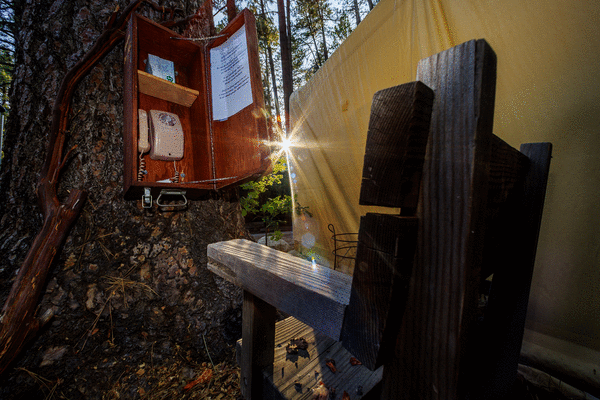
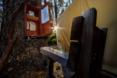
In the San Jacinto Mountains, another wind phone is nestled inside an old wooden toolbox attached to a tall pine tree in the community of Idyllwild.
Vietnam veteran Millard Elston, twice widowed, created the phone and the homemade bench where it sits. In the early evening, just before dusk, the sun peeks through the trees and warms the bench.
"It's a feeling of serene quietness and comfort and not feeling pressure or vulnerable," Elston said. "It's just a way of expressing your feelings, when you have nowhere else to go or you just want a quiet time and let the wind take it."
In the San Gabriel Mountains, a blue wind phone stands on a foggy forest ridge near a roadside turnout in Wrightwood. A weathered notebook contains messages from those who have stopped by. On the cover of the notebook is an invitation: "Write the date and where you are from and about your loved one if you wish."
This wind phone is dedicated to Robert Byrne, 28, whose 1995 disappearance is still unsolved.
His sister, Laurie Kathleen Byrne, created the phone. She believes he was abducted and murdered.
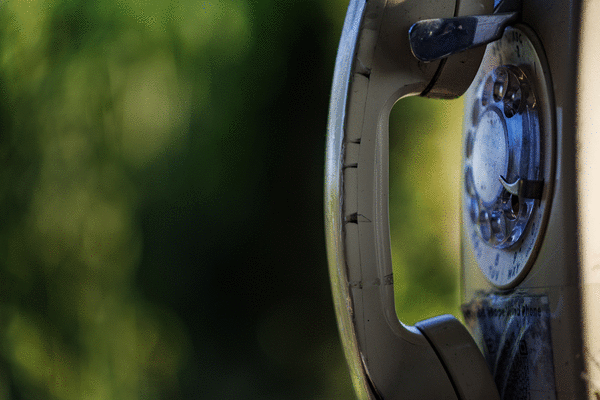
To the west in Duarte, an old tan rotary phone with a very long cord hangs on a tree in a garden. This wind phone is on the grounds of the City of Hope, one of the country's leading cancer centers.
Breast cancer survivor Nancy Clifton-Hawkins, who was treated at the City of Hope, bought the phone on EBay for $50. It's the exact model she had in her childhood home in Long Beach.
The first time she used the phone was to speak to her mother, who died of pancreatic cancer. She recently talked to a City of Hope employee who "had tears in her eyes when she told me about calling her mom."
"There is something so therapeutic in physically dialing the number," Clifton-Hawkins said. "While you won't hear a dial tone, you will always be connected."
Colin Campbell recalls feeling that same connection. "I first encountered a wind phone at St. Jude's Days of Remembrance and I used their wind phone to call my kids, Ruby and Hart," he said. "It felt so intimate and the words came so easily.
"It brought me some solace, and I wanted to share that feeling with other mourners. So my wife and I built our wind phone in Joshua Tree, in honor of our kids."
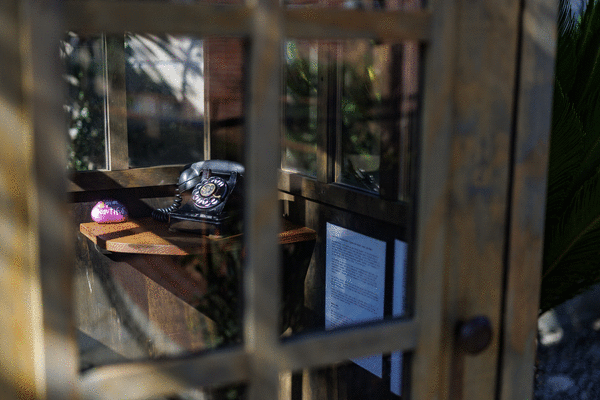
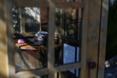
In nearby Altadena, another wind phone sits in a wooden framed telephone booth with vertical glass windows at the end of a brick walkway.
"My original plan was to build it in dedication to my father, who was dying of cancer. After the Eaton fire, it became a project for everyone," said Seamus Bozeman, a reporting fellow at the Los Angeles Times, who lost his home in the blaze.
The wind phone sits behind the Healing Arts Center in a quiet garden area. "It's meant to be for you and you only to say what you mean into the wind," Bozeman said.
Next to the black rotary phone, which used to belong to Bozeman's mother, a pink rock appeared one day with the words, "You are Beautiful."
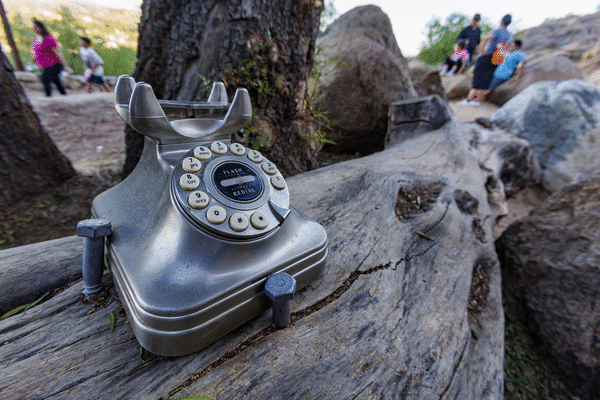
Since most wind phones are in public spaces, they can be subject to vandalism. Such is the case of a phone dedicated to Jacqueline Player, 26, who died by suicide. Player's cousin created the wind phone for "Jax" and placed it next to a walking trail at Mt. Rubidoux in Riverside.
But what was once a small memorial is now just the base of an old rotary phone without the handset.
Earlier this year, the phone erected for Ruby and Hart Campbell was moved to a more public location. It can now be found at the Joshua Tree Retreat Center, where more people can see it and send a message in the wind.
©2026 Los Angeles Times. Visit at latimes.com. Distributed by Tribune Content Agency, LLC.



















Comments